
EVENT
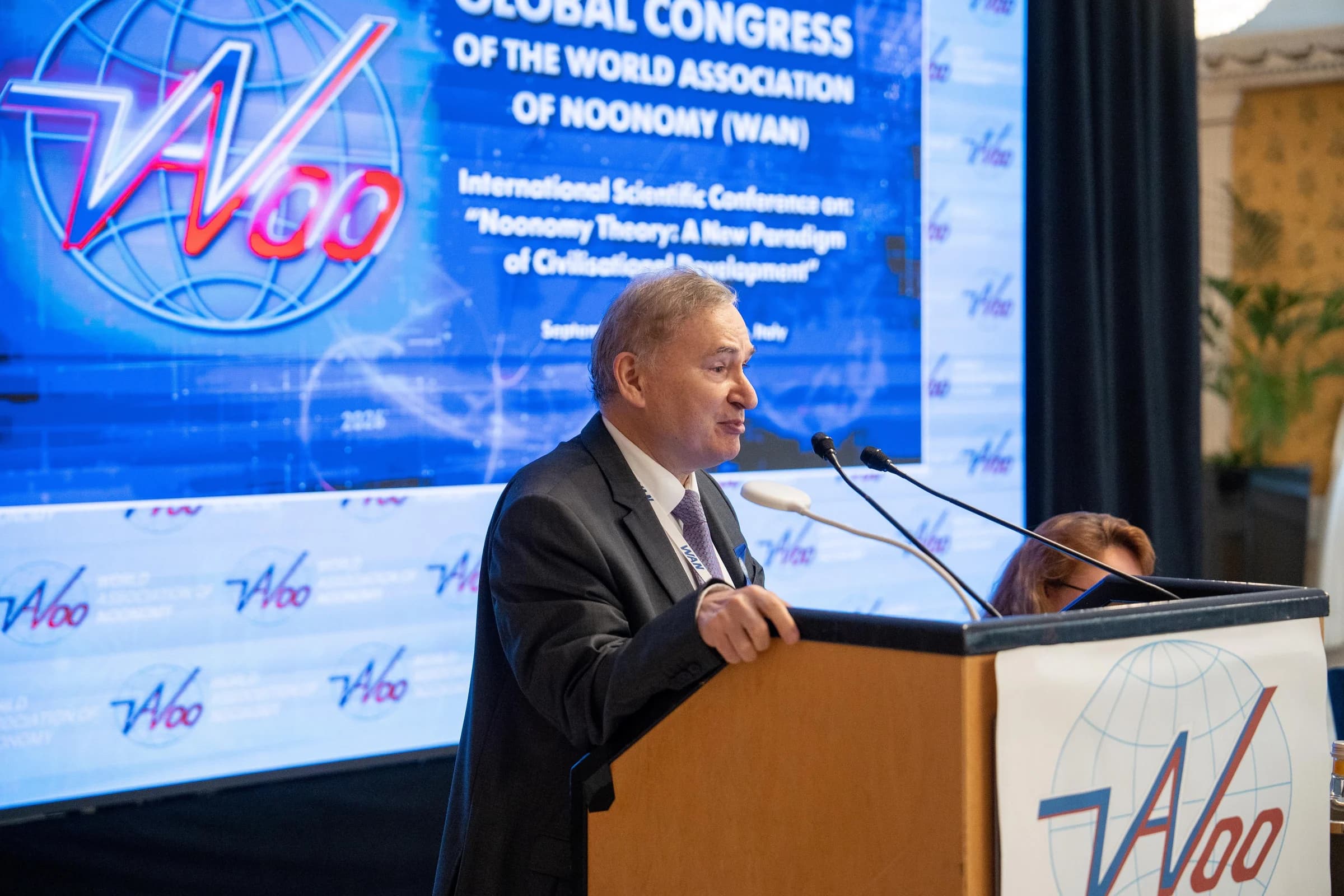
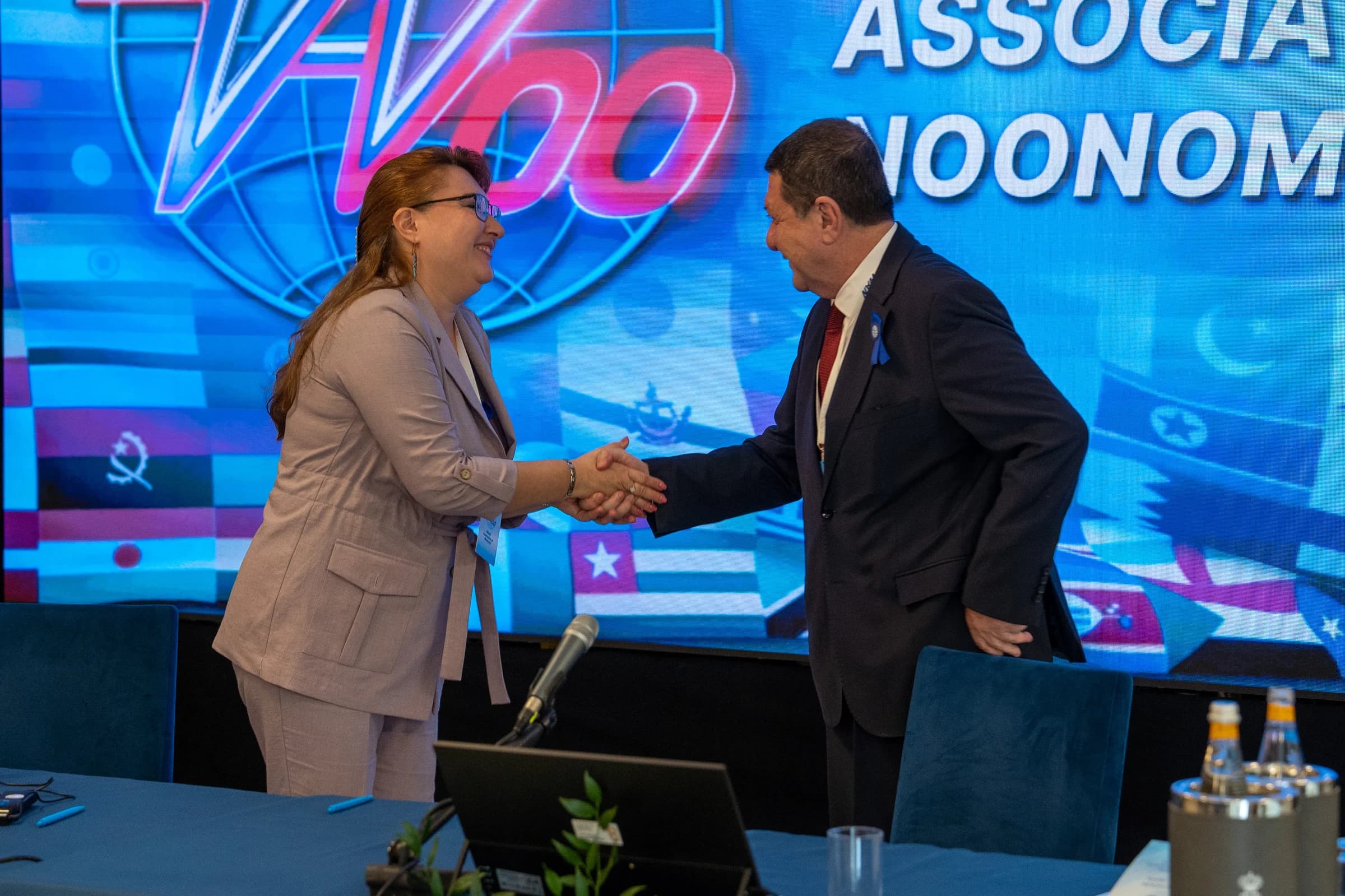
Global Congress of the World Association of Noonomy (WAN)
16/09/2026Read →
 World
WorldWAN brings together researchers from across the world to advance the theory of noonomy and explore new ways to nootransition - the shift towards a noosociety built around noovalues, where knowledge, coupled with scientific and technological advances, benefit society and help people fulfil their potential.
Key facts about the Association, the people behind it, and what it stands for.
The World Association of Noonomy (WAN) was founded in Milan, Italy, on 26 March 2026 and acts in accordance with the Charter. WAN is a non-profit organisation that serves the public interest - it promotes social progress rooted in solidarity and social responsibility.
WAN’s Mission - to bring together researchers from around the world to advance the theory and practice of noonomy and define the principles, pathways, and mechanisms of the nootransition: the movement towards a society where advances in science and technology foster human development, unlock creative potential, and strengthen solidarity.
WAN delivers on this mission through international research collaboration, such as joint projects, congresses, academic forums, publishing, and education. WAN supports a global network of Centres of Noonomy and is building a multilingual Knowledge base of Noonomy researchers worldwide.
The theory of noonomy - or simply noonomy - developed by Professor Sergey Bodrunov, is an interdisciplinary scientific theory of how the global order is evolving, and what may lie beyond the economy. The theory of noonomy provides a comprehensive theoretical framework for understanding the prospects for the development of civilisation, revealing the features of a new quality of material production and the associated social progress, and offering objective ways to achieve it.
The theory of noonomy offers a way out of the civilisational crisis: a transition through the New Industrial Society of the Second Generation (NIS.2) to a fundamentally new form of society - the noosociety. The theory defines the principles and mechanisms through which noonomy can emerge as a new system for meeting human needs, one without economic relations between people in material production. Guided by reason, it rejects the manufacture of simulative needs. Knowledge becomes both the primary source and resource of progress, and the standard by which our needs are shaped.
Noonomy is an interdisciplinary theory which holds that an evolutionary transition to a qualitatively new social order is possible only through reason and humanist values. Research into this transition - the nootransition - draws on a wide range of disciplines, including the humanities, cultural studies, economics, political economy, politics, social organisation, engineering, and more.
WAN’s research explores the relationship between changes in production and work and the growing importance of knowledge and technology. It also examines how human needs and culture change, analyses the role of social institutions in the nootransition, and delves into solidarism, multipolarity, and the ecological limits of traditional patterns of consumption. The complete thematic catalogue is presented in the Noonomy Knowledge Base.
Updates from across the Association: research, publications, and events.


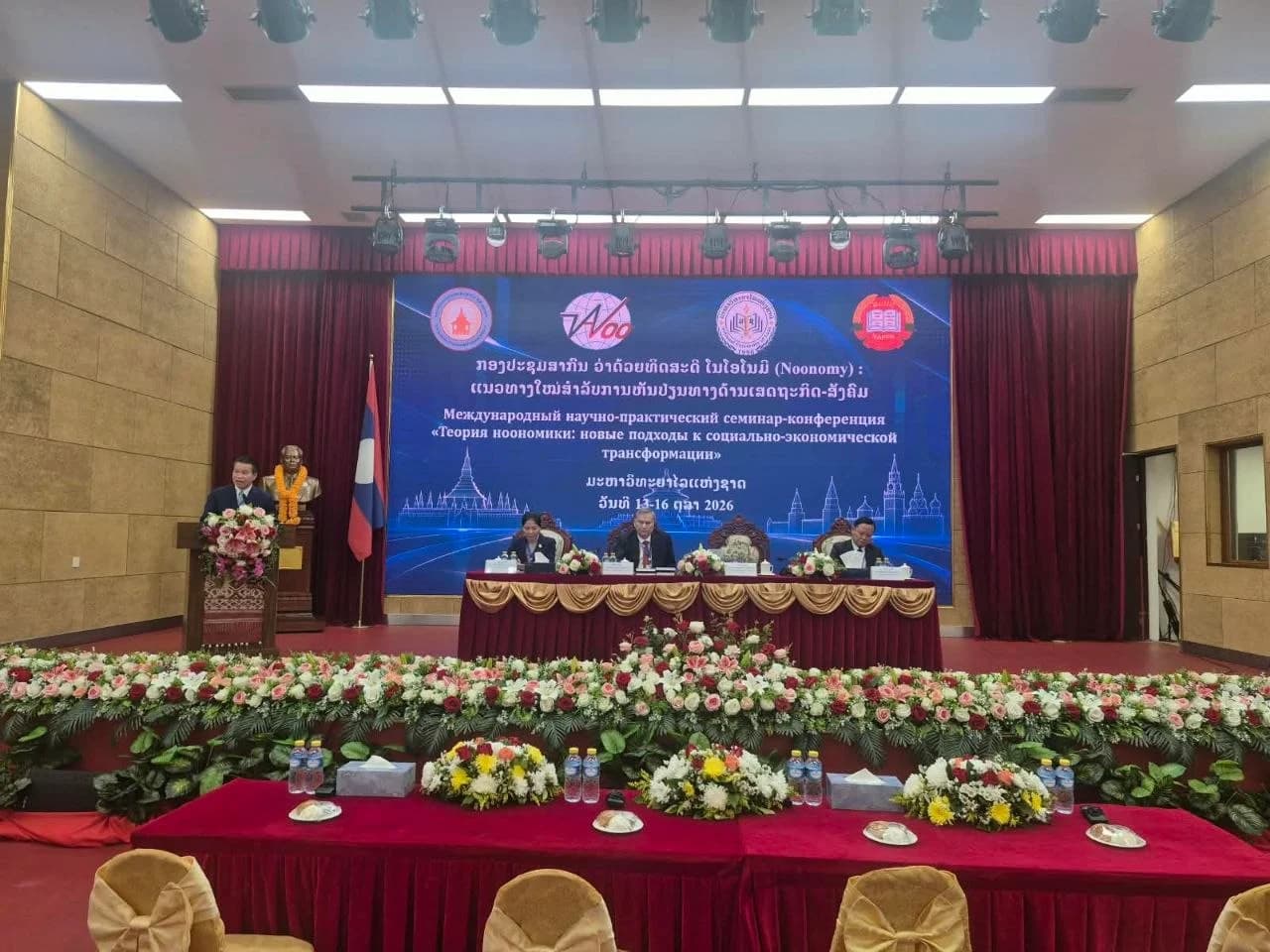

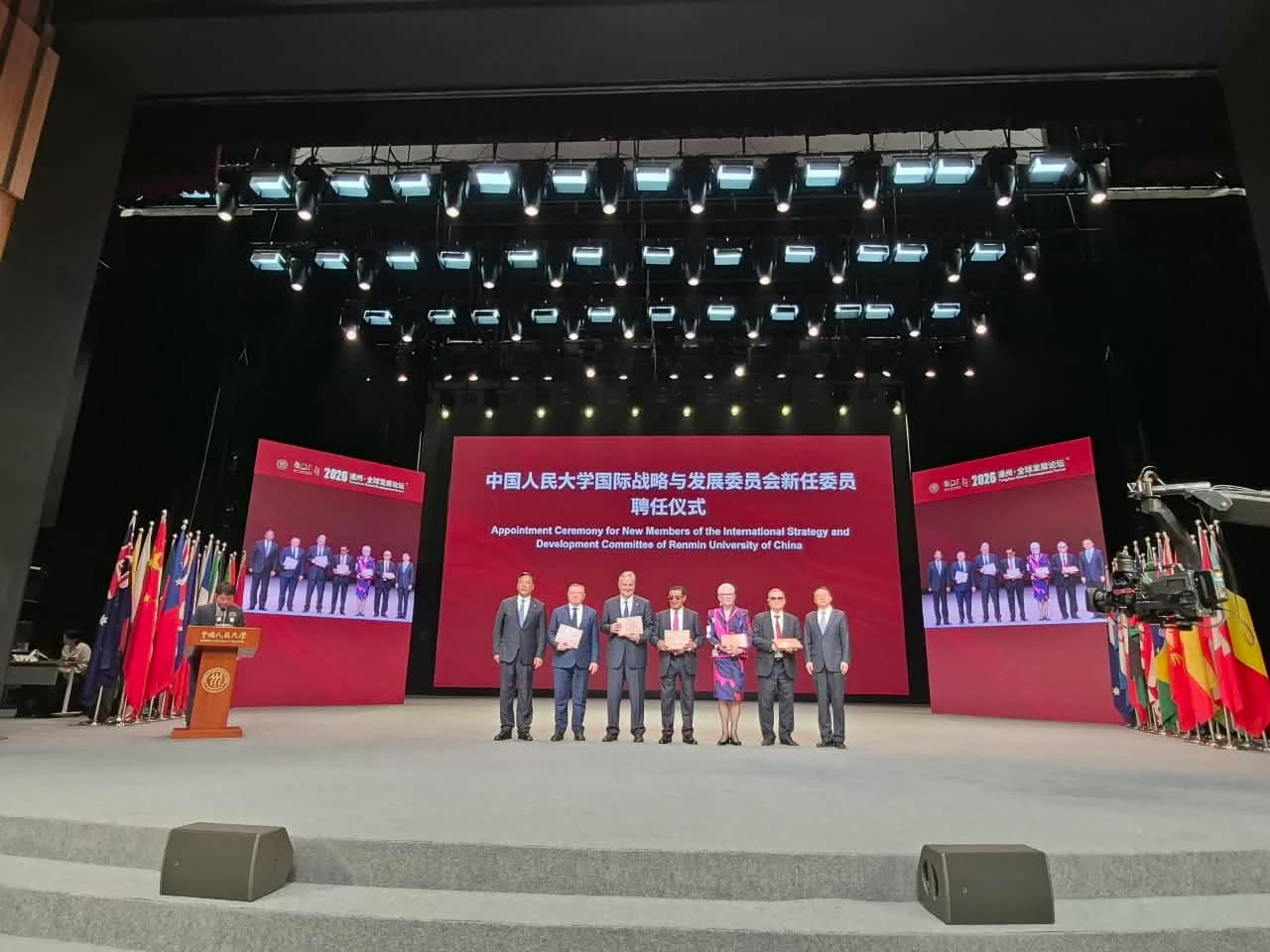





Join the community of scholars shaping science! Become a WAN member to take part in international research, conferences, educational initiatives, and publishing - and help advance noonomy.
Answers to the most common questions about the World Association of Noonomy.